A Guide to Edible Gardening in Zone 7b
I independently review every product I recommend. When you make a purchase through a link, I may earn a small commission at no additional cost to you. Learn more
Introduction to Gardening in Zone 7b:

Embarking on a journey into edible gardening in Zone 7b for the first time can be exciting and overwhelming.
In the Piedmont area of North Carolina, specifically in Zone 7b, one must consider various aspects such as clay soil, garden bed options, suitable crops, pests, beneficial insects, and frost dates.
Moreover, gardening is an art form that requires patience, experimentation, and a touch of creativity. In this article, we will explore all these topics and information on compost options, organic gardening techniques, and the joys of vertical gardening.
Understanding Clay Soil and Why Raised Beds Are a Great Solution:
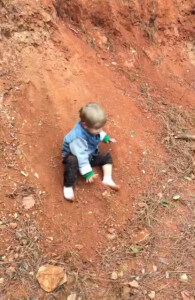
The Piedmont area of North Carolina is known for its predominantly clay soil. Clay has lovely rust hue that is fascinating to behold when compared to the brown dirt I was accustomed to in the north. However captivating to behold this type of soil has its challenges, such as poor drainage and compaction issues.
The Clay soil is rich in vitamins and minerals, unfortunately, because of its propensity to hold water, plants usually suffocate and their roots rot out before they have the chance to benefit from it. During hot drought conditions, similar to what we have been experiencing so far this summer, clay soil tends to shrink and crack.
Never fear, it is common when gardening in Zone 7b especially in the Southeastern area of America to have trouble growing in these conditions. However, proper preparation can transform it into a thriving garden bed.
Mixing compost, sand, and organic matter into the clay soil will help improve its structure and nutritional content. Clay soil is compact and will require a heavy-duty garden tiller to break up this thick soil.
Once the clay soil is mixed with organic matter, it can be planted with a cover crop to continue amending and over time the soil will be a great option for gardening.
Overcome Challenging Soil with Raised Beds
Consider building raised beds to overcome clay soil challenges. Raised beds offer improved drainage and aeration while allowing you to create a soil mix ideal for your plant’s needs. This can be done with a variety of materials and offers the most flexibility while designing an edible garden.
Raised garden beds can be made out of materials such as wood, bricks, concrete blocks, metal, fallen logs, wattle, and more. If you can make a barrier and fill it with dirt, voila, a raised garden bed is created.
Check out the RAISED GARDEN BED section for some simple How To Build Instructions!
Layering plant matter first can help fill the raised beds and provide future nutrients as decomposition takes place.
Suitable Food Crops:
Fortunately, Zone 7b in the Piedmont area of North Carolina offers various crops that grow well. Some vegetable options include tomatoes (I know the tomato is a fruit, but I plant them in my veggie garden), peppers, cucumbers, squash, beans, lettuce, spinach, kale, and collard greens.
For fruits try planting strawberries, blueberries, blackberries, and figs. Herbs like basil, thyme, rosemary, and parsley are also excellent editions in any garden.
Tomatoes are excellent for any beginner gardener. If you would like instructions on growing tomatoes from seeds check out the article on The Art of Growing Tomatoes!
Pests and Beneficial Insects:

Garders often encounter pests that can wreak havoc on their plants. Common pests when gardening in Zone 7b include aphids, squash bugs, Japanese beetles, fire ants, caterpillars, slugs, and snails.
To combat these pests, encourage beneficial insects such as dragonflies, ladybugs, lacewings, and praying mantises into your garden. These natural predators act as a biological control against some pests. Avoid using harmful pesticides that can disrupt the ecosystem and harm beneficial insects. Companion plants are perfect to help attract good insects and deter bad pests. Companion Plants for Beginners can guide you in the process as well as Organic Pest Control DIY Solutions!
Some pests are difficult to combat such as fire ants. There are organic solutions to fire ant control that will help you create a fire ant-free space. Check out my article on Overcoming Fire Ants Organically if you also suffer from those little creeps.
Gardening as an Art Form:
Gardening is an art form that transcends merely following scientific guidelines. It allows for personal expression and experimentation.
Every garden is unique, reflecting the gardener’s preferences and creativity. As you gain experience, you’ll develop an innate sense of intuition and discover your own style.
When I began gardening I spent months studying plant structure, soil structure, and the perfect conditions to grow plants. I read everything I could on organic gardening, square-foot method gardening, and vertical gardening.
My desire was to know everything so that I could succeed at growing food. I thought if I followed the science to a T then I would be able to grow anything. You couldn’t imagine how silly I felt when I had to put my knowledge into action.
One of the amazing lessons I learned was seed saving. If you are interested in saving Heirloom seeds read How to Save Seeds for Next Years Harvest: Protecting a Legacy!
I quickly learned that gardening is more of an art form, than a science. With that new perspective, I was able to put my checklist down and learn to read my canvas. I had to give myself grace and room for mistakes, but when all was said and done, I grew food and you can too!
First and Last Frost Dates Gardening in Zone 7b:
Understanding the first and last frost dates is crucial in planning your garden. In Zone 7b’s Piedmont area, the average last frost date is around April 10th while the average first frost date occurs around November 1st.
These dates can vary slightly each year or even based on location, so it’s essential to keep an eye on local weather patterns and adjust your planting accordingly. If you live in North Carolina, NCSU has a fantastic interactive calendar that you can use to find your average freeze dates.
Compost Options and Organic Gardening Techniques:
Compost is a fantastic way to improve soil quality and provide nutrients to your plants. Consider composting kitchen scraps, yard waste, and grass clippings.
Vermicomposting can be an excellent addition to your garden and if you have chickens a deep litter method will benefit both your chickens and your garden.
Additionally, utilize organic gardening techniques such as crop rotation, companion planting, and mulching to reduce the need for synthetic fertilizers and pesticides.
The Complete Guide to Composting offers instructions on how to compost using a variety of techniques.
7 Ingenious Watering Solutions for Your Organic Edible Garden can get you on the right path to provide adequate water to your entire garden.
Exploring Vertical Gardening in Zone 7b:

One way to maximize limited space or grow in containers is through vertical gardening. This strategy involves growing plants vertically on trellises, cages, walls, or strings.
Vining crops like cucumbers, tomatoes, and pole beans thrive in this environment. Vertical gardening not only saves space but also adds visual interest to your garden.
For a complete guide to vertical gardening including 7 trellising ideas check out Creative Vertical Gardening Techniques to Maximize a Small Space.
Time to start gardening in Zone 7b:
Embracing edible gardening in Zone 7b like our Piedmont area of North Carolina is a fulfilling experience that combines creativity, patience, and a bit of science. With raised beds, proper soil amendments, a selection of suitable crops, pest control strategies, and knowledge of frost dates, you can create a bountiful and vibrant garden. Why don’t you get started with my Guide to Grow Tomatoes from Seed?
Remember to include compost, utilize organic gardening techniques, and explore vertical gardening to enhance your gardening experience. So roll up your sleeves, get your hands dirty, and let your artistic side blossom in your very own edible garden.
Thank you for meeting me AT FORESTS EDGE. Where I am learning to grow food for my family and share my insights with you. I would love for you to join me on this journey, and subscribe to my seasonal newsletter where I share encouragement throughout the year as we GROW HOPE!
Until we meet again,
Raeanna

Raeanna
Raeanna loves her home AT FORESTS EDGE. Cultivating life with a big family in America. She is a Watercolor Artist, Writer, Gardener & a Certified Herbalist.