7 Creative Vertical Gardening Ideas to Maximize Your Small Space
Gardening is rewarding, it allows you to reconnect with nature and create a flourishing oasis in your own backyard while providing food for your family. If you have limited space, vertical gardening is the perfect solution.
These innovative techniques maximize your garden’s potential by utilizing vertical space, making it ideal for small yards, balconies, or even indoor spaces. In this comprehensive guide, we will explore the ins and outs of vertical gardening, providing you with all the knowledge you need to get started.
I independently review every product I recommend. When you make a purchase through a link, I may earn a small commission at no additional cost to you. Learn more
What is Vertical Gardening?
Vertical gardening is a technique that involves growing plants on vertical structures instead of traditional horizontal beds.
Most plants like to sprawl out. If you take a sprawling plant and cause it to reach for the sky then the space it would have normally covered can be used to grow more plants.
By utilizing walls, fences, trellises, or specially designed planters, you can create a lush and vibrant garden without requiring excessive space.
This method not only adds beauty to your surroundings but also offers practical benefits such as maximizing sunlight exposure and making gardening more accessible.
Benefits of Vertical Gardening
Vertical gardening offers numerous advantages that make it an attractive option for both experienced and novice gardeners:
Space Efficiency
One of the most significant advantages of vertical gardening is its space-saving nature.
By utilizing vertical structures, you can grow a wide variety of plants without needing a large horizontal area. This makes it an excellent choice for urban dwellers or those with limited gardening space.
Improved Sunlight Exposure
Vertical gardening allows plants to receive optimal sunlight exposure. By positioning plants vertically, you can ensure that each plant receives its fair share of sunlight, promoting healthy growth and abundant yields.
Enhanced Aesthetic Appeal
Vertical gardens can transform a dull wall or empty space into a vibrant and visually appealing area.
With various plant options and creative designs, you can create a stunning living wall that adds beauty and character to any environment.
Easy Maintenance
Vertical gardening often requires less maintenance compared to traditional gardening.
The raised nature of the planters makes it easier to tend to the plants, reducing the strain on your back and knees.
Additionally, vertical gardens can help reduce weed growth and pest infestations.
Getting Started with Vertical Gardening
Now that you understand the benefits of vertical gardening, it’s time to roll up your sleeves and get started. Follow these steps to create your own thriving vertical garden:
Assess Your Space
Before embarking on your vertical gardening journey, assess the available space.
Take note of the amount of sunlight the area receives, as this will determine the types of plants that will thrive in your garden.
Additionally, consider the structural integrity of the walls or fences you plan to utilize.
Choose Suitable Plants
Select plants that are well-suited for vertical gardening.
Climbing plants like tomatoes, cucumbers, and beans work exceptionally well, as they naturally grow upwards.
Additionally, herbs, flowers, and even certain fruits can be grown vertically, adding variety and color to your garden.
Select the Right Structure
Depending on your space and plant preferences, choose the appropriate structure for your vertical garden.
I have tried several trellis techniques including making my own with materials from the store, building them with sticks and string, or purchasing a kit. Either path you choose can work great!
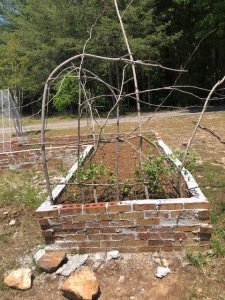
This could include trellises, wall-mounted planters, or stackable containers. Ensure the chosen structure is sturdy enough to support the weight of the plants and offers ample drainage.
This structure here consists of wooden posts and thick gaged wire as well as string and t-bars to help train grapes and muscadines. I wouldn’t use the same structure for my tomatoes.

Prepare the Soil
Prepare the soil by using a high-quality potting mix if you are using containers or compost. Ensure the soil is well-draining and rich in nutrients to support healthy plant growth.
Consider adding organic fertilizers or slow-release pellets to provide an extra boost for your plants.
Plant and Maintain
Plant your chosen varieties following the instructions specific to each plant. Water regularly, ensuring that the soil remains moist but not waterlogged.
Monitor your plants for signs of pests or diseases and take necessary actions to prevent or treat any issues that may arise.
Prune or train your plants as needed to encourage upward growth and prevent overcrowding.
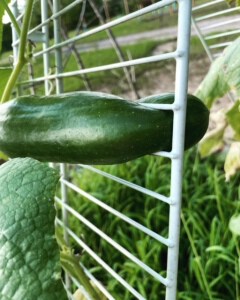
Watch out for fruit that intends to grow in between trellis spaces, they may get stuck.
Top 7 Trellis Techniques and How to Use Them
When it comes to growing tomatoes, using a trellis can make a significant difference in the health and productivity of your plants.
Not only does a trellis provide support for the weighty vines, but it also allows for better air circulation and sunlight exposure, reducing the risk of diseases and promoting optimal growth.
We will explore the top 7 tomato trellis techniques and provide you with step-by-step instructions on how to use them effectively.
1. Stake and String Trellis
This classic trellis technique involves driving sturdy stakes into the ground alongside your tomato plants. As the plants grow, tie them to the stakes using soft twine or garden tape. This method is ideal for eggplant, summer squash, and determinate tomato varieties, which grow to a predetermined height.
2. Tomato Cage
A tomato cage is a popular choice for both novice and experienced gardeners. These cylindrical structures made of wire mesh provide support to tomato plants as they grow. Simply place the cage around the young plant and secure it to the ground using stakes or by pushing the bottom ends of the cage into the soil.
3. Florida Weave
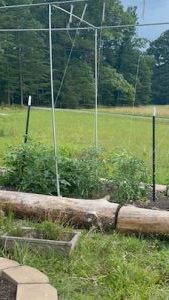
The Florida Weave method is perfect for those with multiple tomato plants or tomatillos and limited space. It involves setting sturdy stakes at the beginning and end of a row and weaving twine horizontally around the plants, creating a supportive web. As the plants grow, add additional rows of twine for extra support.
4. A-Frame Trellis
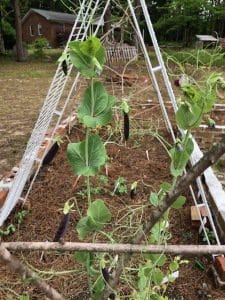
If you have limited garden space, an A-Frame trellis can be an excellent option. Construct a simple triangular frame using bamboo poles or wooden stakes and stretch strong twine or wire horizontally between the two sides. Place your plants at the base of the A-Frame and guide the vines up the trellis as they grow.
5. Ladder Trellis
A ladder is a versatile trellising method that works well for both determinate and indeterminate tomato plants, squash, peas, and cucumbers. These ladder-like structures can be purchased or easily built using wooden slats or PVC pipes. As the plants grow, gently weave the branches through the ladder rungs for support.
6. Single String Trellis

The single-string trellis system consists of a frame structure with strings attached for a single plant to be twisted around the string. Cucumbers and indeterminate tomatoes do well on a single-string trellis system. Our current system is a 9-foot-high conduit structure with strings on hooks so the strings can be adjusted to the location of the plant and lowered if the plant reaches the top to provide more growing space.
The conduit can be purchased at your local hardware store. We purchased the Tomato Support Hooks “paid link” and 4 Way Fittings “paid link” from Amazon.
7. Espalier Trellis
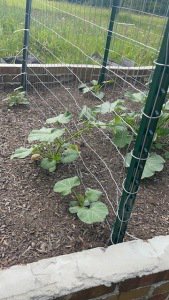
The espalier trellis technique allows you to train your plants against a wall or fence, making it an excellent choice for small gardens or urban settings. Attach a sturdy wire, wire mesh panels, or trellis netting to the support structure and use plant ties to secure the plant branches horizontally along the trellis.
By utilizing one of these top 7 trellis techniques, you can ensure a healthy, productive garden while maximizing your garden space. Experiment with different methods to find the one that suits your needs and plant variety the best!
In Conclusion
Vertical gardening opens up a world of possibilities for those with limited space or a desire to add a unique touch to their gardens.
By utilizing vertical structures, you can create a lush and bountiful garden area that maximizes sunlight exposure and enhances the aesthetic appeal of your surroundings.
Follow the steps outlined in this guide, and you’ll be well on your way to becoming a successful vertical gardener.
Thank you for meeting me AT FORESTS EDGE. Where I am learning to grow food for my family and sharing my insights with you. I would love for you to join me on this journey, and subscribe to my newsletter where I share encouragement throughout the year as we GROW HOPE!
Until we meet again,
Raeanna

Raeanna
Raeanna loves her home AT FORESTS EDGE. Cultivating life with a big family in America. She is a Watercolor Artist, Writer, Gardener & a Certified Herbalist.