How to Save Seeds for Next Year’s Harvest: Protecting a Legacy
I independently review every product I recommend. When you make a purchase through a link, I may earn a small commission at no additional cost to you. Learn more
Introduction: Seed Saving-Unearthing Nature’s Treasure Chest
Seed saving is an art form in a world where time marches on and seasons weave their intricate tales, a hidden realm of gardeners stands as guardians of an age-old secret. Picture, if you will, a motley crew of intrepid horticulturists, donning wide-brimmed hats and soil-stained gloves, embarking on a journey that transcends mere gardening. This journey, my fellow green-thumbed adventurers, is a whimsical dance with the past and a flirtation with the future – the magical saga of preserving heirloom seeds.
As the sun dips below the horizon and stars begin to twinkle like forgotten memories, imagine a gardener standing amidst an array of plants, each bearing the promise of a new season. Tomatoes blush with ripeness, summer squash sprawl with wild abandon, and peppers flash their vibrant hues like signals from distant galaxies. But these are not just plants; they are protagonists in a timeless narrative, each seed encapsulating tales of growth, survival, and adaptation.
And so, with a touch of reverence and a dash of audacity, we step into this fantastical world of seed saving. We’re not just gardeners tending to our plots; we’re time travelers stitching the fabric of past and future together. As we sow and reap, we become the stewards of botanical history, weaving a tapestry of biodiversity that whispers tales of generations gone by.
But why, you may ask, embark on this enchanting quest when the shelves of garden centers groan under the weight of packaged seeds? Ah, my fellow seekers, the answer lies in the dance of heirloom seeds – those untamed gems passed down from time immemorial. In a world where hybrids often hog the limelight, heirlooms stand as wise elders, carrying the genes of resilience and diversity. Their flavors transport us to the gardens of yore, their colors paint stories of forgotten landscapes, and their very existence pays homage to the wisdom in creation.
So, with a twinkle in our eyes and a trowel in our hands, let us journey through the cosmos of seed saving. From tomatoes to turnips, peppers to pumpkins, we’ll explore the spectrum of seeds that make up this verdant universe. We’ll unravel the secrets of preserving these treasures, crafting time capsules that bridge the gap between generations. But fear not, for while this journey may be steeped in wisdom and tradition, it’s not without its playful twists and turns.
Dear fellow traveler, join me as we unlock the cosmic vault of seed-saving practices, uncovering the hidden magic that lies within each seed. May your curiosity be your compass, your garden be your canvas, and wisdom be your guide in this grand adventure of cultivating a harvest of heirloom wonders.
The Art of Seed Saving: Nurturing Nature’s Legacy
Welcome to the captivating realm of seed saving, where gardeners become keepers of nature’s legacy. Whether you’re a gardening novice or a seasoned pro, learning the art of saving seeds is a journey worth embarking upon. Let’s dive into the basics of this ancient practice and discover how to preserve the essence of your garden for generations to come.
Tomatoes, Summer Squash, Winter Squash, Pumpkins, Peppers, Cucumbers, Melons, and Beyond: A Melange of Seed Varieties
The adventure begins with choosing the right plants for seed saving. Opt for open-pollinated or heirloom varieties, as hybrid plants might produce unpredictable offspring. Once you’ve identified your chosen heroes, allow some fruits to mature fully on the plant. For tomatoes, this means waiting until they’re ripe and slightly soft. For cucumbers, peppers, and melons, wait until they’re fully mature and ready for consumption. Cucumbers change from a verdant hue to yellow like the sun when the seeds are mature.
Harvesting and Preparing Seeds: From Plant to Precious Gem
Harvesting seeds is like unveiling hidden treasures within the plant. Start by selecting the healthiest, most robust fruits – these will produce the best seeds. Slice open the fruit and scoop out the seeds, placing them in a bowl. For tomatoes, this might involve squeezing the seeds and gel into the bowl. With cucumbers and melons, a simple scoop and scrape will do. Beans and greens are the easiest to harvest. they fall right out of the pods already dry and awaiting rest.
Fermentation: A Time of Transformation
Seeds from tomatoes, cucumbers, and melons require fermentation to remove the gel-like coating that can inhibit germination. Add a bit of water to the bowl of seeds and fruit goo, and let the mixture sit at room temperature for 2 to 4 days. During this fermentation process, the mixture will develop a distinct odor – think of it as the earthy scent of transformation.
The Cleansing Ritual: Separating the Gold from the Gunk
Once fermentation is complete, you’ll notice a layer of mold on the surface – this is perfectly normal. Gently stir the mixture, and you’ll find that the good seeds sink to the bottom while the mold and debris rise to the top. Carefully pour off the top layer, along with any floating seeds. Rinse the remaining seeds under cool running water to ensure they’re free of residue.
Drying the Seeds: A Sunlit Farewell to Moisture
Spread your cleansed seeds on a plate or paper towel, allowing them to bask in a dry, well-ventilated area. This is their sunlit farewell to moisture, as they gradually dry over the course of a week or two. Ensure they’re fully dry before moving on to the next step – damp seeds can become moldy during storage.
In this realm of seed saving, each step is a chapter in the story of your garden’s legacy. From selecting the perfect fruits to nurturing seeds through fermentation and drying, you’re the author of this botanical tale. As we journey deeper into the art of seed saving, let’s uncover the secrets of proper storage and the creative world of seed packets that will safeguard the seeds’ journey through time.
The Marvel of Seed Saving: Ensuring a Blossoming Future
The Blossom Quest: Handpicking Nature’s Protagonists
Your journey as a seed saver mirrors that of a casting director seeking the stars of a grand production. Amidst your garden’s tapestry, identify the most robust and healthy plants – these will be your protagonists, the torchbearers of your garden’s legacy. Opt for plants that have exhibited resilience, disease resistance, and exceptional flavor.
The Art of Extraction: Harvesting and Preparing Seeds
As the harvest season beckons, your role as a botanical storyteller comes into focus. Select fruits from your chosen plants that best exemplify their vitality and flavor. For peppers, cucumbers, and melons, allow these fruits to reach full maturity before harvesting. Slice open the fruit with anticipation, revealing the seeds within. It’s a moment of revelation, akin to a treasure hunter uncovering hidden gems.
Drying Seeds: Transitioning to Dormant Elegance
Your precious seeds, like the heroes of old, need their moment of repose before their next adventure. To ensure their slumber, they must be thoroughly dried. Gently remove seeds from the fruit and lay them out on a plate or paper towel. Place them in a warm, dry location – this can be indoors with proper ventilation or even outdoors if the weather is accommodating. Allow the seeds to air-dry for about a week, ensuring they’re no longer moist to the touch.
How to Start Tomato Seeds
- Step 1: Choose Your Hero Tomato Select a ripe, juicy tomato that’s so perfect, it could star in its own rom-com. Choose wisely – this tomato will be the star of your seed-saving show!
- Step 2: Slice & Scoop Drama Channel your inner surgeon and slice that tomato open. Scoop out the gooey insides like you’re digging for treasure. Seeds are your treasure – they’re the heart of this juicy adventure.
- Step 3: The Soggy Salsa Soak Place your seeds and goo in a bowl. Add water to your tomato salsa mix. Stir it up and let it sit for 2-4 days. This is tomato spa time, where fermentation works its magic.
- Step 4: The Seed Treasure Hunt After the salsa party, you’ll notice mold (yup, that’s normal). Rinse the seeds like you’re cleaning ancient artifacts. Get rid of the mold and floating gunk – we’re after the gold, aka the seeds.
- Step 5: The Drying Drama Spread your cleaned seeds on a plate or paper towel. Let them sunbathe in a breezy spot, or cozy up indoors with good ventilation. Just like adventurers drying their rain-soaked clothes, your seeds will gradually lose their moisture, getting ready for their next epic chapter.
- Step 6: Sleepy Seed Storage Once they’re dry and ready to snooze, transfer them to a labeled envelope. Store in a cool, dry place, away from light and humidity. Think of it as a cozy seed slumber party.
- Step 7: The Sequel – Planting Next Year’s Adventure When spring arrives, get ready for a sequel! Plant your tomato seeds, and watch them sprout like the hero’s triumphant return. Soon, you’ll have a garden filled with tomato tales to tell!
- Remember, saving tomato seeds isn’t just about preserving a fruit – it’s about preserving a legacy. So, go forth, tomato seed savior, and let your garden thrive with stories of growth, flavor, and a dash of tomato wit! Want to continue on the tomato journey read The Art of Growing Tomatoes from Seed!
Safeguarding Secrets: Proper Storage for Longevity in Seed Saving
As the curtain falls on the drying process, it’s time to prepare for the seeds’ hibernation. Choose your storage containers wisely – they should be airtight and moisture-resistant. Envelopes, small glass jars, or resealable plastic bags work well. Remember to label each container with the seed type and harvest date, much like an archivist cataloging precious manuscripts. Store these containers in a cool, dry, and dark location – the guardians of your seeds’ dormancy.
In the grand tale of seed saving, you’re both narrator and protagonist. With every carefully chosen fruit, every seed extracted, and every drying moment, you’re weaving a narrative that spans seasons and generations. As we continue our journey through the enchanting art of seed saving, let’s delve deeper into the realms of seed storage and explore the imaginative world of crafting your own seed packets.
Guardians of the Future: Seed Saving Storage and Labeling
The Seed Sanctuary: Proper Storage for Slumbering Seeds
Imagine your seeds as sleeping heroes, awaiting their call to action in the garden’s epic story. To ensure their vitality, they need a sanctuary that shields them from the elements. Choose containers that offer airtight protection from moisture, which can awaken the seeds prematurely. Consider envelopes, glass jars, or plastic bags with reliable seals.
The Dark Chamber: Keeping Light at Bay
In this enchanted slumber, light is the villain to be vanquished. Just as a knight dons armor before battle, your seeds need protection from light’s invasive advances. Opt for containers that are opaque or those that can be stored in dark, dimly lit corners. Imagine your seeds resting in a cozy chamber, away from the prying eyes of photons.
Temperature Guardians: Orchestrating Ideal Conditions
Temperature, like a conductor leading an orchestra, must be orchestrated harmoniously. Your seeds prefer a cool and consistent environment, much like a serene garden under the moon’s gentle gaze. Aim for a temperature range between 32°F and 41°F (0°C to 5°C) for optimal dormancy. A basement, cellar, or even the refrigerator can be their refuge.
Innovative Sanctuaries: Storage Ideas and Products
As the guardian of your seeds’ destiny, you have a plethora of options for their sanctuaries. Repurposed mint tins become treasure chests for heirloom gems, while dedicated seed storage boxes act as grand libraries for botanical knowledge. Explore specialized seed storage products designed to cater to these slumbering travelers. These products are not mere containers; they’re vessels of promise, preserving the seeds’ vitality and connecting you to the gardens of the past and future.
List of 15 Creative and Practical Seed-Saving Storage Containers to Keep Your Seeds Safe and Organized:
- Mason Jars: Classic and versatile, mason jars provide an airtight seal, protecting seeds from moisture and pests. Here are some jars that I love to use Le Parfait Mason Jars “paid link”.
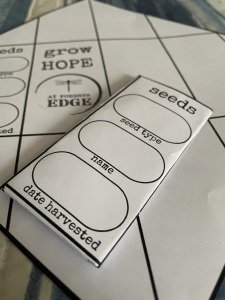
- Envelope Seed Packets: Craft your own or purchase pre-made envelopes. They’re compact, easy to label, and allow for organized seed storage.
- Plastic Ziplock Bags: Transparent and sealable, these bags keep seeds visible while safeguarding them from humidity.
- Tin Containers: Reuse mint tins or similar containers for a touch of nostalgia. Decorate them for a personal touch.
- Small Cardboard Boxes: Repurpose jewelry boxes or small cardboard containers for organized storage. Label them with seed names and dates.
- Glass Spice Jars: These small jars are perfect for storing smaller quantities of seeds. Plus, you can easily see what’s inside.
- Accordion File Folders: Keep your seed envelopes in an accordion-style file folder for a neat and organized system.
- Photo Storage Boxes: These boxes often have dividers, making them ideal for storing seed packets based on plant types.
- Seed Storage Books: These specially designed books allow you to store your seed packets like pages in a book, keeping them protected and accessible.
- Seed Storage Organizers: Purchase purpose-built seed storage organizers with compartments or drawers, designed to keep different seeds separate.
- Egg Cartons: Cut egg cartons work well for storing smaller seeds, offering individual compartments for each type.
- Film Canisters: For a retro touch, film canisters can store small amounts of seeds securely.
- CD Cases: Repurpose CD cases with transparent covers for storing larger seed packets. They keep seeds visible and organized.
- Plastic Seed Storage Tubes: Designed specifically for seed storage, these tubes keep seeds safe from moisture and pests.
- Altoid Tins: Another repurposing gem, Altoid tins are compact and sturdy, perfect for small seed batches.
Remember, the key is to choose containers that are dry, airtight, and protect your seeds from light and humidity. Get creative and find storage solutions that not only keep your seeds safe but also add a touch of personality to your gardening journey!
Labels: A Touch of Identity and Legacy
Just as heralds announce the arrival of royalty, labels declare the identity of your seeds. Create labels that bear witness to the plant’s name, variety, and harvest date. This is your opportunity to infuse a touch of your own story into these seeds, much like authors penning dedications to their readers. Use waterproof markers or printed labels to ensure they withstand the test of time.
In the garden’s grand symphony, you play the role of protector and preserver. By understanding the principles of seed storage and crafting a sanctuary that befits these sleeping wonders, you honor their potential and the legacy they carry. But our journey is far from over; the next chapter beckons us to explore the imaginative realm of crafting your own seed packets, where you become an artisan of the Earth’s tales.
Crafting the Seed Legacy: DIY Seed Packets and Labeling
Chronicles of Preservation: Crafting Seed Packets with Care
Picture yourself as a scribe in a medieval scriptorium, transcribing the wisdom of the ages onto delicate parchment. In the Chronicles of Preservation, you become the keeper of the seeds’ stories. Craft your own seed packets or source pre-made envelopes for this next chapter of our seed-saving odyssey.
Creating Seed Saving Envelopes: Unveiling the Artistry
Like an artist at an easel, you’re about to create a masterpiece. Craft seed envelopes using paper or recycled materials. Design them with care, allowing ample space for the seed’s identity – its name, variety, and harvest date. This is your opportunity to channel your inner artisan, adding a touch of beauty to the utilitarian.
The Act of Labeling: Writing Whispers of Identity
Each seed packet is a page in the opus of your garden’s history. Just as a biographer captures the essence of a person’s life, your labels must encapsulate the essence of the seed. Pen down details that matter – the plant’s name, the year it was grown, and any personal anecdotes that make the plant special to you. Let your labels be a tribute to your gardening journey.
A Personal Flourish: Infusing Your Story
Imagine your seed packet as a canvas, awaiting your creative strokes. Go beyond the functional and add your personal touch – a sketch, a quote, or even a splash of color. Let it reflect your connection to the plant and your journey as a gardener. This is your seed’s passport, stamped with your story and the Earth’s blessings.
Crafting Seeds’ Timeless Vessels: Leaving Imprints on Eternity
As we create these vessels of time, we step into a role akin to creators, co-authors of the Earth’s narrative. Each envelope is a testament to our stewardship, an offering that carries the promise of new beginnings. In crafting these relics, we echo the act of Creation itself, leaving imprints on eternity, just as the Creator’s fingerprints are woven into the very fabric of the universe.
Conclusion: The Garden’s Resonant Overture Begins
Dear companions on this adventure, we’ve embarked on a journey that threads through time, intertwining the stories of plants and people in a symphony of growth and grace. With DIY seed packets and personalized labels, we become authors of a saga that spans generations, embracing the Creator’s call to nurture and cultivate the Earth.
As we conclude our time in the Chronicles of Creation, let us carry forth the wisdom of these time-traveling vessels. May they remind us of the divine harmony that resonates through nature and inspire us to nurture the Earth’s abundant blessings. With every seed packet we craft, we weave our own melodies into the symphony of life, adding to the grand resonance of the garden’s eternal overture.
Closing Remark: Embarking on an Evergreen Odyssey
And so, dear companions of the soil, our cosmic journey through the realms of seed saving draws to a close. As we bid adieu to this enchanted garden of words, let us carry the spirit of adventure with us, for the quest to preserve nature’s treasures is an evergreen odyssey.
May your hands remain ever eager to sow, and your hearts be open to receive the bounties of the Earth. As you nurture your garden, remember that you are part of a legacy that stretches across time, connecting you with generations past and generations yet to come.
As we part ways, envision a garden that whispers secrets, a landscape woven with the threads of stories from the past and the dreams of the future. May your seeds bloom into a tapestry of life, painting your corner of the world with colors, flavors, and fragrances that echo through eternity.
So go forth, fellow adventurers, and tend to your gardens with the knowledge that you’re not just cultivating plants; you’re cultivating a legacy. And as the seasons come and go, as seeds sprout and thrive, may you find joy in being part of this timeless dance, this never-ending saga of growth, renewal, and wonder.
Thank you for meeting me AT FORESTS EDGE. Where I am growing food for my family and sharing my insights with you. Let me know if this is helpful and if you have any questions! I would love for you to join me on this journey, and subscribe to my newsletter where I share encouragement throughout the year as we GROW HOPE!
Until we meet again,
Raeanna
FAQs: Navigating the Seed-Saving Odyssey
Q1: Why bother saving seeds when I can buy them?
A: Because becoming a seed-saver is cooler than a cucumber. Saving seeds preserves heirlooms, empowers self-sufficiency, and keeps the story of plants alive. Plus, it’s like having a little garden time machine!
Q2: Can I save seeds from store-bought produce?
A: Sure, but know thy seed source! Hybrid seeds may lead to unpredictable offspring. Opt for open-pollinated or heirloom varieties for a more consistent crop.
Q3: How do I dry seeds?
A: Think ’emperors’ and ‘new clothes.’ Spread seeds in a single layer on a dry surface, like royalty surveying their realm. Once they’re comfy and dry, store them like the crown jewels.
Q4: How long can seeds sleep before waking up?
A: Like Sleeping Beauty, seeds have their beauty rest. Most last 2-5 years, but some can slumber for decades. Keeqs,,p them cozy in a cool, dry chamber.
Q5: Do I need a degree in horticulture to save seeds?
A: Nah, just a curious mind and a sprinkle of patience. It’s more art than science, like Gandalf’s magical flair. Observe, learn, and adapt – you’ve got this!
Q6: What’s with all the labeling fuss?
A: Ever met twins and struggled to tell ’em apart? That’s why! Label with love, so your ‘Zesty Zucchini’ doesn’t end up masquerading as ‘Mild Mannered Cucumber.’
Q7: Can I save seeds from cross-pollinating plants?
A: Sure thing, but beware the pollen promiscuity! Cross-pollination can lead to seed mix-ups. Isolate varieties or get acquainted with pollinator schedules.
Q8: How do I know when seeds are ready for harvesting?
A: It’s like Sherlock detecting a mystery’s solution. Seeds change color, dry out, or reveal their inner treasures. Keep a close watch – the garden’s secrets are unveiled!
Q9: Help! My seedlings look like they’re from another planet.
A: E.T. called, and he wants his plants back. Relax! Seeds can display quirky traits, but it’s part of the adventure. Embrace their uniqueness and let them thrive.
Q10: Can I share my saved seeds with fellow humans?
A: Absolutely! It’s like spreading Hobbit hope. Seed swapping builds community and helps preserve diversity. Just remember, sharing is caring – share seeds, not just secrets!
Q11: Is seed saving like chasing unicorns?
A: Well, kind of! It’s a bit magical, but totally real. Your seeds are a connection to the past and a gift to the future. So, embark on this fantastical journey and let the seeds of wonder bloom!

Raeanna
Raeanna loves her home AT FORESTS EDGE. Cultivating life with a big family in America. She is a Watercolor Artist, Writer, Gardener & a Certified Herbalist.