The Art of Herbal Tea Gardening: Taste Joy
Transform Your Herbal Tea Garden into a Canvas of Flavors and Fragrances
So you are interested in creating an Herbal Tea Garden? Picture this: a sunny corner of my garden in North Carolina’s zone 7b, where the warmth of the sun kisses the earth, and the scent of blooming herbs fills the air. Here, I’ve discovered a delightful blend of artistry and horticulture that I affectionately embrace as my Herbal Tea Gardening journey.
It’s like crafting a masterpiece, one aromatic sip at a time. In this whimsical adventure, I invite you to step into my garden, where herbs are my vibrant brushstrokes, and every cup of tea is a sip of liquid art. Together, we’ll explore the magic of selecting, planting, and nurturing these herbal treasures while infusing my garden with the joy of art and the optimism of cultivating new life in God’s creation.
I independently review every product I recommend. When you make a purchase through a link, I may earn a small commission at no additional cost to you. Learn more
Choosing the Right Location for Your Herbal Tea Garden
Sunlight: The Golden Brushstroke for Herbal Tea Gardening
Sunlight is the lifeblood of any thriving garden, and in the realm of Herbal Tea Gardening, it’s your golden brushstroke. To create your own masterpiece of herbs, find a spot in your garden that basks in sunlight for at least six hours a day. This ample sunlight not only ensures robust growth but also intensifies the flavors and aromas of your herbal treasures.
In my North Carolina southern garden, I’ve discovered that the sunny nook near the east-facing sunroom of our home is a canvas waiting to be painted with herbal wonders. The morning sun bathes my herbs in a gentle glow, and as I tend to them, sometimes it looks like they are dancing with the soft morning wind.
Soil Quality: The Foundation of Your Herbal Tea Garden
Just as an artist needs a sturdy canvas, your herbal tea garden relies on the quality of its soil. Begin by testing your soil to understand its composition. Ideally, you want well-draining soil that’s rich in organic matter. Herbs can be a bit finicky when it comes to pH, so make sure your soil’s pH level is within the right range for your chosen herbs.
In my gardening journey, I’ve learned to pamper my herbs with a loamy, well-draining garden soil mix. I’ve also added compost from our kitchen scraps and chicken litter to enrich the soil and maintain a slightly acidic pH level, which most of my herbal beauties adore. Think of your soil as the foundation upon which your herbal artistry will flourish.
The exception to this rule would be lavender. My lavender vera is so forgiving, it prefers soil that is not as rich in compost and thrives on neglect. I planted the lavender at the edge of my little herbal tea garden where the soil composition is less rich.
Selecting the Stars of Your Herbal Tea Garden

Mint: The Refreshing Stroke in Your Herbal Tea Garden
Mint, with its vibrant green leaves and invigorating aroma, is like the refreshing stroke of a brush in your herbal tea garden masterpiece. If you’re in North Carolina’s zone 7b, consider yourself fortunate because mint thrives in your garden.
Peppermint and spearmint are two popular varieties that I’ve personally welcomed into my garden. They’re resilient, spreading, and always ready to add that cool, minty twist to my teas. Whether you prefer them in a soothing chamomile blend or a zesty iced tea, mint is a must-have herb for your herbal canvas.
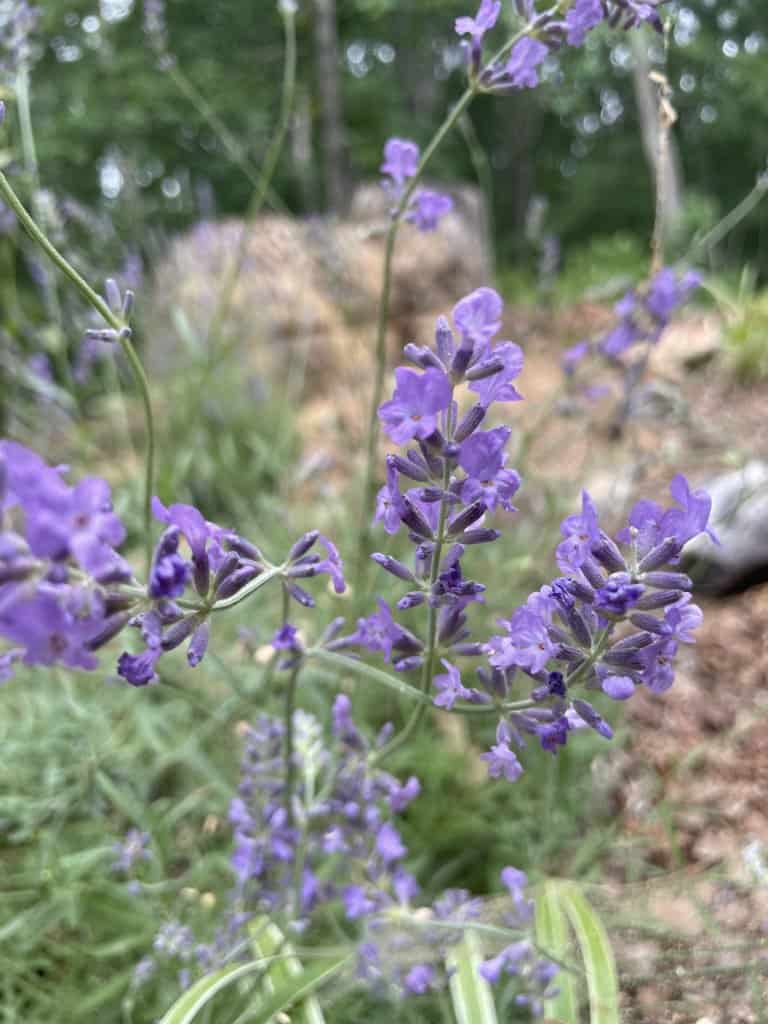
Lavender: The Purple Palette of Your Herbal Tea Garden
Lavender, with its elegant purple blooms and enchanting fragrance, is the purple palette of my herbal tea garden. It’s an herb that adds a touch of sophistication to your garden canvas. Lavender loves the sun, making it a perfect fit for my North Carolina garden.
In my garden, lavender is not just an herb; it’s a work of art. Its blooms not only grace my tea infusions but also adorn my garden with a regal charm. Remember to prune it for its distinctive aroma and flavor, perfect for imparting a subtle floral note to your teas.
Chamomile: The Delicate Petal on Your Canvas
Chamomile, with its delicate white petals and soothing properties, is the gentle petal on your herbal tea garden canvas. It’s a herb that whispers relaxation with every bloom. Grow it alongside your other herbs, and you’ll have the perfect ingredient for evening serenity.
I adore chamomile for its calming influence. A cup of chamomile tea under the starry North Carolina skies is a masterpiece of tranquility. Cultivate it with care, and your garden will be graced with its dainty, daisy-like flowers.
Lemon Balm: The Zesty Splash of Citrus
Lemon balm, with its bright green leaves and citrusy fragrance, is the zesty splash of citrus on your herbal tea garden canvas. It’s a herb that awakens your senses and adds a sunny twist to your teas. In your garden, it’s like a burst of lemony joy.
I’ve often found lemon balm to be the perfect companion to my mint teas. It’s a refreshing combination that invigorates both the palate and the spirit. Plant it with enthusiasm, and watch it flourish.
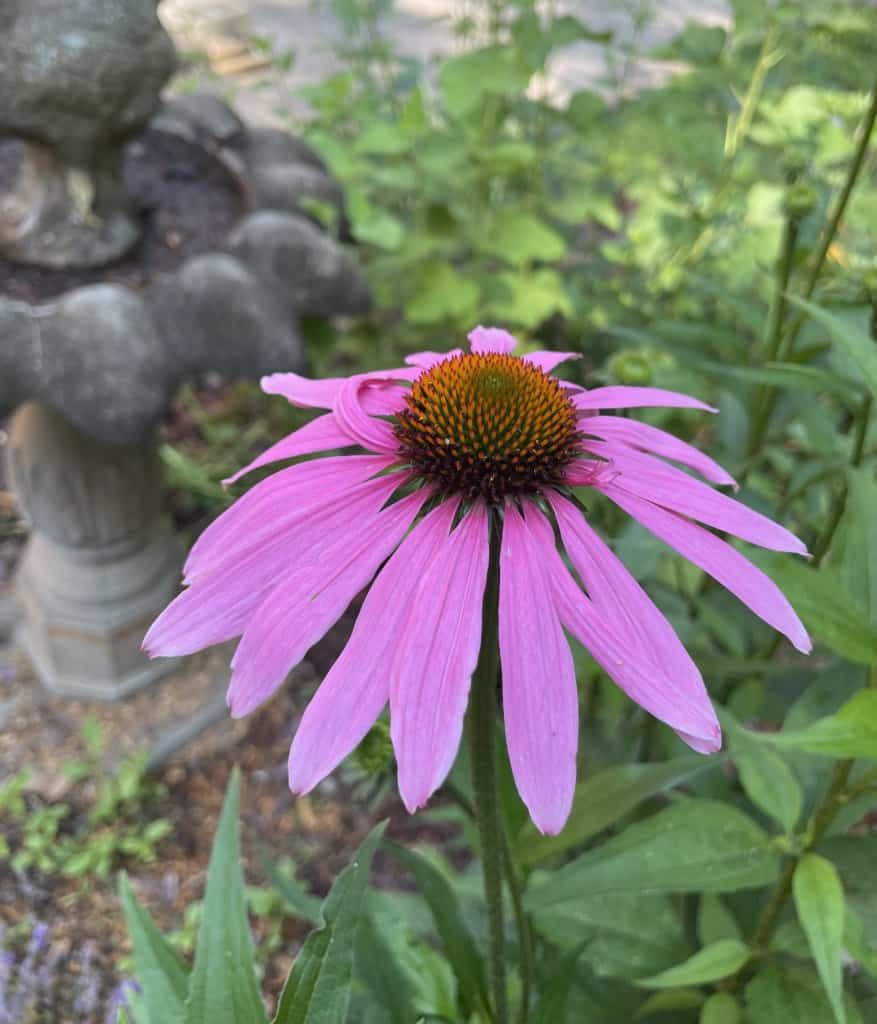
Echinacea: The Vibrant Defender of Your Garden
Echinacea, with its bold purple petals and immune-boosting properties, is the vibrant defender of your garden canvas. It’s a herb that not only adds a pop of color but also enhances your teas with its wellness benefits.
Cultivating echinacea in my garden has been a colorful experience. Its striking blooms not only attract pollinators but also bring a dose of vitality to my tea blends. Consider it a must for both your garden’s aesthetics and your well-being.
Calendula: The Sunny Marigold of Your Tea Garden
Calendula, with its sunny marigold blooms, is like a burst of sunshine on your herbal tea garden canvas. This cheerful herb adds a touch of brightness to your teas and your garden’s overall aesthetic.
In my garden, calendula is a ray of light that complements the other herbs beautifully. Its petals are not just visually appealing but also bring soothing qualities to my teas. Plant it to infuse your garden with a sunny disposition.
Anise Hyssop: The Licorice Twist in Your Herbal Artistry
Anise hyssop, with its licorice-like flavor and spiky purple blossoms, is the licorice twist in your herbal artistry. This unique herb adds an intriguing depth to your tea blends.
Incorporate anise hyssop into your garden, and you’ll discover a herb that stands out with its distinct taste and aromatic allure. It’s like adding a secret ingredient to your tea creations.
Marshmallow: The Softening Element in Your Tea Palette
Marshmallow, with its soothing properties and soft, velvety leaves, is the gentle touch in your tea palette. This herb adds a layer of comfort to your teas, making them a warm embrace for your senses.
In my garden, marshmallow is the softening agent that balances the bold flavors of other herbs. It’s like a cozy blanket for your taste buds, perfect for those moments of relaxation.
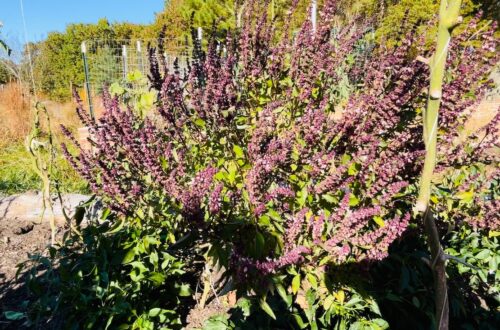
Basil: The Fragrant Essence of Your Herbal Garden
Basil, with its aromatic leaves and diverse varieties, is the fragrant essence of your herbal garden canvas. This versatile herb not only adds a symphony of flavors but also comes in different captivating types. Cultivating basil in your garden is like composing a melody of herbs.
In my garden, basil is an indispensable herb with its many faces. While holy basil brings its sacred significance and peppery notes, cinnamon basil adds a warm and spicy twist. These basil varieties are not just flavors; they are artistic expressions in the garden. Let’s explore the different types of basil that can elevate your herbal tea garden.
Holy Basil: The Sacred Note
Holy basil, also known as “Tulsi,” is the sacred note in your herbal garden. With its peppery, clove-like flavor and strong spiritual significance, it’s a herb that adds depth and reverence to your tea blends. Holy basil thrives in warm climates, making it a splendid choice for your North Carolina garden. Cultivate it with respect and enjoy its unique charm.
Cinnamon Basil: The Spicy Serenade
Cinnamon basil, with its warm and spicy aroma reminiscent of cinnamon, is the spicy serenade in your herbal garden. This basil variety brings a delightful twist to your teas, infusing them with a cozy and aromatic touch. Plant cinnamon basil alongside other herbs, and let its distinct fragrance and flavor paint a warm note in your tea palette.
Hibiscus: The Vibrant Brushstroke of Your Garden
Hibiscus, with its vibrant red blooms and tart, fruity flavor, is like a bold brushstroke of color in your garden canvas. This tropical herb adds a burst of vibrancy to your tea blends.
Incorporate hibiscus into your garden, and you’ll have a herb that’s not only visually stunning but also refreshingly tangy. It’s like painting your tea garden with a tropical twist.
Rosemary: The Evergreen Elegance in Your Garden
Rosemary, with its evergreen leaves and woody aroma, is the embodiment of elegance in your garden. This versatile herb enhances both the visual and flavor aspects of your tea blends.
In my garden, rosemary is like the evergreen foundation upon which my herbal treasures thrive. Its aromatic presence elevates my teas, and its resilience brings a sense of permanence to my garden.
Ginger: The Spicy Note in Your Herbal Symphony
Ginger, with its spicy and warming properties, is the spicy note in your herbal symphony. This root adds a kick of flavor and wellness benefits to your tea creations.
Cultivate ginger in your garden, and you’ll have a herb that’s both fiery and soothing. It’s like adding a touch of adventure to your tea palette, perfect for those moments when you crave a bold, invigorating sip.
Planting and Arranging Your Herbal Tea Garden
The Gardener’s Palette: Arranging Herbs Creatively
Now that you’ve selected your herbal stars, it’s time to unleash your inner artist and arrange them creatively in your garden. Think of your herbal tea garden as a painter’s palette, where each herb is a unique color waiting to be placed. To create an inspiring landscape, consider these artistic tips:
Height and Hues: The Art of Layering
Just as a painter uses layers to add depth to their masterpiece, arrange your herbs by height to create visual interest. Place taller herbs like rosemary or hibiscus at the back, allowing them to serve as a backdrop for shorter herbs like chamomile or mint. This layering adds depth and dimension to your garden canvas.
Color Coordination: Creating Harmonious Combinations
Play with color combinations like an artist selecting their palette. Pair the vibrant red of hibiscus with the soothing blue of lavender, or the bright green of mint with the sunny yellow of calendula. These harmonious pairings not only please the eye but also create delightful tea blends.
Growth Habits: Choreographing the Dance of Growth
Every herb has its own growth habit, much like dancers in a performance. Some herbs spread and sprawl, while others grow upright and bushy. Arrange them in a way that allows each herb to shine without crowding its neighbors. This choreography ensures that your garden canvas remains balanced and harmonious. Pay especially close attention to mint, as it is known for traveling and taking over the spaces surrounding it.
Artful Containers: Adding Whimsy to Your Canvas
Consider using decorative containers or artistic planters to house your herbs. These containers can be like unique frames that highlight individual herbs as if they were precious artworks. From ornate pots to whimsical teacup planters, let your creativity run wild.
Maintenance Tips for Your Herbal Tea Garden
Watering Wisdom: Nourishing Your Herbal Tea Garden
Watering your herbal treasures is an art in itself. To keep your garden flourishing and your herbal tea flavors vibrant, follow these tips:
Moisture Mastery
Maintaining the right moisture level is essential. Herbs generally prefer consistently moist soil, but they don’t appreciate being waterlogged. Water your garden when the top inch of soil feels dry to the touch. This ensures that your herbs have access to the hydration they need without risking root rot.
Watering Techniques
Consider using a soaker hose or drip irrigation system to provide a gentle, even flow of water directly to the root zone. This method not only conserves water but also minimizes moisture on the leaves, reducing the risk of fungal diseases.
Pruning: Shaping Your Herbal Tea Garden’s Composition
Pruning your herbal tea garden is akin to refining the details of an artwork. Follow these guidelines to maintain both beauty and productivity:
The Art of Pruning
Prune your herbs regularly to encourage bushier growth and prevent them from becoming leggy. Use clean, sharp scissors or shears to make clean cuts, removing dead or overgrown branches. This not only enhances the visual appeal of your garden but also ensures a bountiful harvest.
Harvesting Herbs
Harvest your herbs regularly, but be mindful not to overdo it. Herbs like mint and basil benefit from frequent harvesting, which encourages fresh growth. However, perennials like lavender and rosemary, aim for selective and moderate harvesting to maintain their overall health.
Adding Seasonal Flourishes to Your Herbal Tea Garden
Year-Round Artistry: Planning for Seasonal Blooms
Just as artists embrace the changing seasons for inspiration, your herbal tea garden can be a canvas that thrives year-round. Here’s how to infuse seasonal charm into your garden:
Spring Awakening
In the spring, your garden canvas can burst to life with a riot of colors. Plant spring-blooming herbs like calendula and chamomile to welcome the season. Their cheerful blooms not only add visual appeal but also promise fresh flavors for your springtime teas.
Summer Splendor
Summer is a time of abundance in your herbal tea garden. Herbs like hibiscus and lemon balm flourish in the warmth. Encourage their growth for vibrant blooms and intense flavors. Consider adding whimsical garden decor to complement the lively atmosphere.
Autumn Elegance
As the leaves change and the air turns crisp, your garden canvas can take on a new, rustic charm. Herbs like rosemary and echinacea continue to thrive, adding evergreen elegance to your garden. Embrace autumn-themed decorations and cozy tea nooks for warmth.
Winter Serenity
Even in winter, your garden canvas need not be dormant. Herbs like holy basil and mint can be cultivated indoors, ensuring a steady supply of fresh herbs for comforting winter teas. Create a serene winter wonderland with subtle lighting and seasonal touches.
Creating a Cozy Tea Nook in Your Herbal Tea Garden
Tea Time Tranquility: Where Art Meets Comfort
Now that your herbal tea garden is a masterpiece of flavors and fragrances, it’s time to create a charming tea nook where you can savor the artistic fusion of garden and brew. Here’s how to design a space where art meets comfort:
Seating with Style
Choose comfortable and stylish seating that complements your garden’s aesthetic. Whether it’s a rustic wooden bench, a wrought iron chair, or a cozy garden swing, let your seating be an invitation to relaxation.
Artistic Accents
Add artistic touches to your tea nook. Consider placing artistic garden sculptures, potted herbs, or colorful wind chimes nearby. These accents not only enhance the visual appeal but also create a whimsical and inviting atmosphere.
Cozy Comfort
Make your tea nook a place of ultimate comfort. Add plush cushions, blankets, and pillows that beckon you to unwind. Imagine it as a space where you can lose yourself in a good book or simply bask in the beauty of your garden canvas.
Lighting Ambiance
Extend your tea time into the evening with creative lighting. String lights, lanterns, or candlelit hurricanes can transform your tea nook into a magical haven. Let your tea nook come alive under the moon and stars.
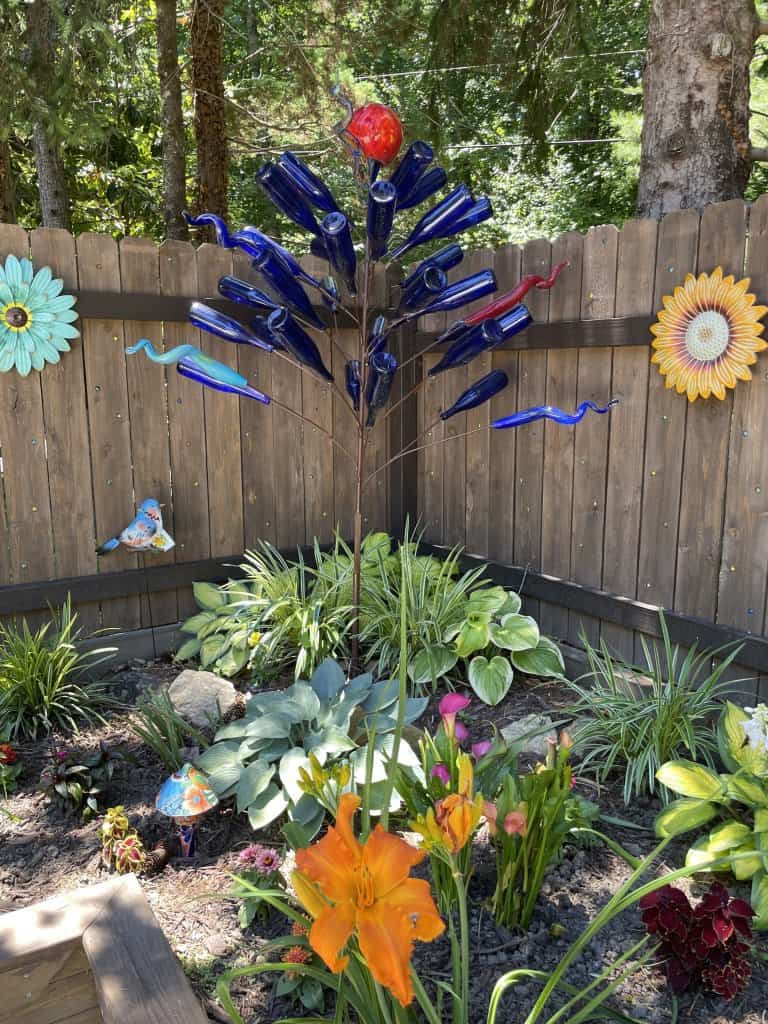
I just have to share with you a garden that feels like walking into a new world. My father-in-love has the most whimsical garden that is as exciting as it is beautiful. Hopefully one day my garden will have collected the light-hearted exuberance that his garden boasts!
Taste & See Your Herbal Tea Garden
In the world of Herbal Tea Gardening, your garden becomes an ever-changing canvas, and your herbs are the colorful strokes that fill it with beauty, flavor, and comfort. As you nurture your garden and cultivate your tea nook, you’ll not only enjoy aromatic tea but also the satisfaction of creating a masterpiece in your own backyard. So, pick up your gardening tools, let your creativity flow, and paint your own Herbal Tea Garden. Cheers to artistry, nature, and endless sips of joy!
Begin your herbal gardening journey with this helpful guide:
The Art of Growing Basil: A Beginner Herb Gardener’s Guide
Thank you for meeting me AT FORESTS EDGE. Where I am growing food and amazing herbal tea for my family and sharing my insights with you. I would love for you to join me on this journey, and subscribe to my newsletter where I share encouragement throughout the year as we GROW HOPE!
Until we meet again,
Raeanna

Raeanna
Raeanna loves her home AT FORESTS EDGE. Cultivating life with a big family in America. She is a Watercolor Artist, Writer, Gardener & a Certified Herbalist.