
Can Chickens Eat Spicy Food?
If you’ve ever wondered whether chickens can savor the fiery flavors of spicy food, the answer might surprise you. Chickens can indeed eat spicy food, and they can handle it much better than us humans. But the real question is, can they taste the spice, and is it beneficial or safe for them? Let’s dive in and find out.

I independently review every product I recommend. When you make a purchase through a link, I may earn a small commission at no additional cost to you. Learn more
Can Chickens Eat Spicy Food?
Yes, chickens can devour spicy food without a hitch. Unlike mammals, chickens lack the capsaicin receptors that make our tongues tingle and our brows sweat when we indulge in something spicy. This intriguing fact allows them to munch on hot peppers without any adverse effects.
In an amusing twist of nature, the capsaicin in spicy peppers is a defense mechanism designed by plants to repel mammals while attracting birds. Birds play a crucial role in dispersing the seeds of these fiery fruits. So, not only can chickens eat spicy food, but they actually relish it.
Chickens are surprisingly versatile when it comes to enjoying spicy foods. They can indulge in a range of spicy delights, including chili peppers, cayenne, Tabasco, jalapenos, and even fiery habaneros. These feathered friends are quite adventurous eaters!
Can Chickens Taste the Heat?

Surprisingly, chickens can’t taste the spiciness of food, and it doesn’t register as ‘hot’ on their palate. The capsaicin in spicy food binds to VR1 receptors in humans, causing us to perceive it as a painful sensation. Chickens, however, lack these VR1 receptors, making them impervious to spicy stimuli. So while chickens can eat spicy food, they don’t react to its effects.
Here’s an intriguing fact:

In humans, the VR1 vanilloid receptor isn’t meant for tasting spicy food; it’s designed to detect noxious heat as a protective mechanism against burning. We have plenty of these receptors in our mouths and tongues to prevent us from swallowing scorching hot foods. As it happens, these receptors also react to capsaicin, giving us the sensation of heat. Essentially, it’s all a clever illusion—spicy food isn’t truly ‘hot.’
Since chickens don’t possess these vanilloid receptors, they remain unfazed by any heat sensation. Their wattles won’t turn red, and they won’t be making a beeline for the nearest water source to cool off. They can munch on the spiciest peppers as casually as they would nibble on cucumbers.
Is Spicy Food Healthy for Chickens?

When it comes to the health of your feathered friends, the spiciness of their food isn’t a critical factor. Capsaicin, the compound responsible for spiciness, isn’t digested by chickens; instead, it passes through their system and exits in their droppings. Since chickens don’t have capsaicin receptors, they aren’t affected by spicy food in the way mammals are.
However, the healthiness of spicy food for your chickens largely depends on what exactly you’re offering them. Red peppers, for instance, are a healthy fruit, packed with essential nutrients. On the other hand, some Fuego-flavored Takis might not be the best choice for your flock.
For instance, jalapenos are rich in vitamins C, B6, E, and K, and they provide valuable micronutrients, minerals, and antioxidants. But if they’re mixed into a Tabasco hot sauce with ingredients like onions, sugar, and alcohol, it’s a surefire way to upset your chickens’ stomachs. Excessive sugar is never a good idea for chickens.
That said, it’s essential to exercise caution when incorporating pepper plants into your chickens’ diet. The green parts, including stems, leaves, and flowers, contain solanine—a poisonous substance commonly found in all nightshades, including hot peppers like jalapenos and habaneros.
Solanine affects the nervous system and gastrointestinal (GI) tract of chickens, causing loss of motor function, GI distress, respiratory distress, and in some cases death.
So exercise caution and stick with the fruit, not the stem, leaves, or flowers.
The Benefits of Chickens Eating Spicy Food
You may have heard claims about the advantages of spicing up your chickens’ diet. Let’s explore some of these benefits:
Deterrence Against Rodents:
Sprinkling cayenne pepper over chicken feed can deter rodents like mice and rats. These critters have capsaicin receptors and will be discouraged from munching on your chickens’ food. Keeping rodents away helps prevent food contamination and diseases.
Mice and rats are sensitive to capsaicin, the compound that makes spicy food hot. Sprinkling cayenne pepper or similar deterrents around your coop and feed storage areas can keep these furry intruders at bay.
This is crucial because rodents can bring diseases into your coop and contaminate your chickens’ food. Keeping them away helps maintain a healthy and disease-free environment.
Capsaicin as a Natural Antibiotic:
Nowadays, many poultry owners are moving away from antibiotic additives in chicken feed due to regulations and concerns about antibiotic resistance. This shift has led to an interest in natural alternatives to keep chickens healthy.
Some studies suggest that capsaicin, the spicy component of peppers, may have antibacterial effects when added to poultry food. It’s part of a broader exploration into natural remedies, including garlic and onion extracts, to support chicken well-being.
Capsaicin supplementation could potentially improve the chicken’s microbiome and reduce harmful bacteria.
Capsaicin Darkens Egg Yolks:

Have you ever noticed that some eggs have deeper, more vibrant yolks? Well, here’s an interesting tidbit: capsaicin can play a role in intensifying the color of egg yolks. If you’re raising chickens for eggs, this could be a fun experiment to try.
Many consumers prefer eggs with darker yolks, and capsaicin can enhance the carotenoid content in yolks, giving them that appealing orange-red hue.
Capsaicin-rich food can lead to darker egg yolks. Scientific studies have shown that adding red peppers with high capsaicin levels as a food supplement increases the level of carotenoids in egg yolks. Carotenoids are natural pigments that give yolks an orange-red hue.
There is nothing more satisfying than breaking open a chicken egg to reveal a nice dark orange yolk. The darker the yolk, the better tasting the egg!
Capsaicin Possible De-Wormer:
Spicy food may deter worms from taking up residence in your chickens’ digestive systems, but let’s be clear—it’s not a magical dewormer.
While worms do have receptors similar to ours for capsaicin, they don’t seem to be bothered by it.
However, what spicy food does effectively is create a healthier environment in the chicken’s gut that’s less inviting to worms. It’s more of a preventive measure than a cure for existing infestations.
Enhanced Egg-Laying:
Some anecdotal evidence suggests that spicy food may boost egg production in laying hens. Scientific studies, primarily involving ducks, have indicated potential improvements in egg production.
It’s believed that capsaicin could enhance the chicken’s microbiome, blood circulation, and body temperature, thereby providing them with more energy for egg-laying.
Scientists are delving deeper into the effects of capsaicin on chicken health, egg production, and the chicken microbiome. While some promising results have been observed, more research is needed to confirm these potential benefits conclusively.
The key takeaway is that our understanding of how spicy food affects chickens is evolving, and we may uncover more fascinating insights in the future.
Does Spicy Food Make Eggs Taste Spicy?
No, feeding chickens spicy food won’t make their eggs taste spicy. The capsaicin responsible for spiciness is excreted in the chickens’ droppings and doesn’t affect the taste of the yolk. However, it will darken the yolk’s color, which some people prefer. My family loves darker yolks!
Can Chickens Eat Spicy Food, Absolutely
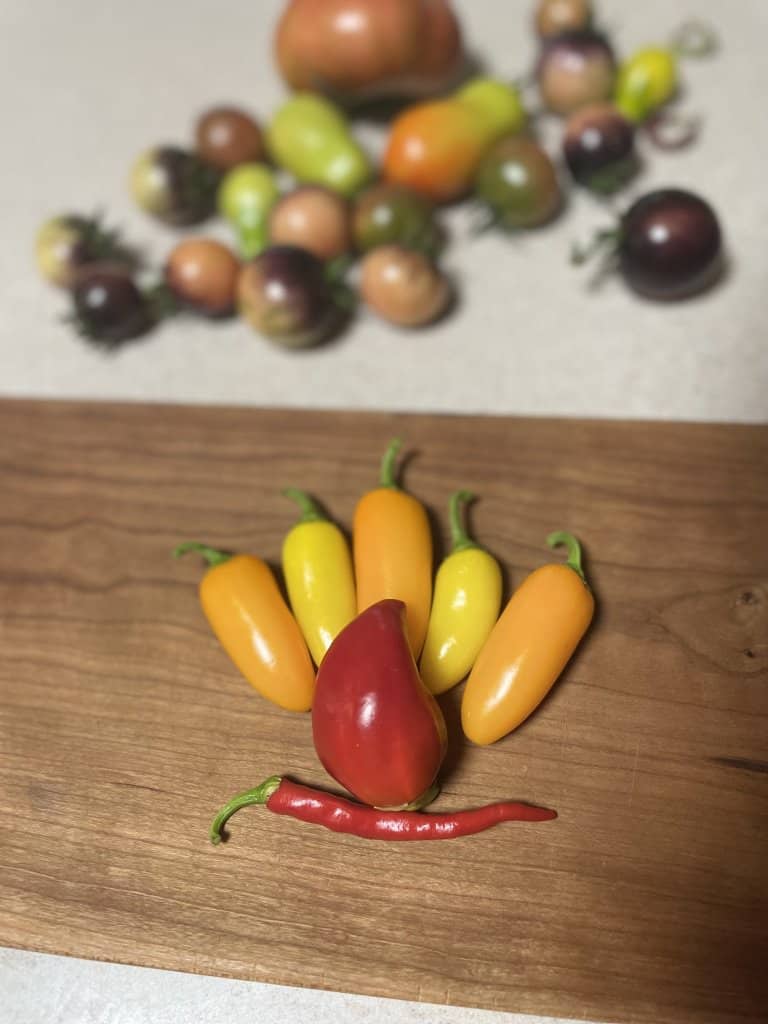
Chickens can enjoy spicy food without any issues, as they lack the receptors for capsaicin—the compound that imparts spiciness. Adding small amounts of peppers to their diet may come with some health benefits, serving as a natural antibiotic and potentially improving egg-laying.
While spicy food isn’t a natural dewormer, it can discourage worms from settling in their guts when used as a preventive measure. It can also intensify the color of egg yolks, which many find appealing.
So, feel free to let your chickens indulge in a bit of spiciness now and then. Just remember to keep it in moderation and opt for safe, capsaicin-rich sources.
It’s worth noting that humans have a history of using spices in animal feed for various reasons. Spices weren’t just for flavor enhancement; they were also considered for their potential health benefits.
So, adding a touch of spice to your chickens’ meals isn’t a new concept. People have been exploring the intriguing connections between spices and animal health for quite some time.
Responsible Feeding Practices:
Lastly, when it comes to feeding your feathered friends, always practice responsible feeding. Consult with poultry veterinarians or experts for personalized dietary recommendations tailored to your flock’s unique needs.
Your chickens’ health and well-being should be the top priority, and any dietary experiments should be approached with care and consideration. Check out this article if you have questions or are wondering What Can Chicken Eat and Can’t Eat! Or specifically, Can Chickens Eat Bugs?
Embrace the Spicy Side of Life
In the world of backyard chicken keeping, the possibilities are as endless as the feathers on your flock. Embracing the spicy side of chicken cuisine is just one exciting adventure awaiting you and your feathered companions.
So when you ask yourself can chickens eat spicy food? Absolutely, while chickens can handle the heat, it’s essential to tread with care and responsibility. As we continue to unlock the mysteries of how spicy foods affect our fine-feathered friends, let your curiosity and love for your chickens guide you.
Whether it’s for their delight, health, or simply to see those vibrant yolks in your morning eggs, let your chicken-raising journey be filled with joy, exploration, and the warm satisfaction of nurturing these incredible creatures.
So go ahead, spice things up, and let your chickens savor the flavorful world of spice, all while you embark on a heartwarming journey of discovery in your own backyard.
Thank you for meeting me AT FORESTS EDGE. Where I am learning to grow food for my family and sharing my insights with you. I would love for you to join me on this journey, and subscribe to my newsletter where I share encouragement throughout the year as we GROW HOPE!
Until we meet again,
Raeanna

Raeanna
Raeanna loves her home AT FORESTS EDGE. Cultivating life with a big family in America. She is a Watercolor Artist, Writer, Gardener & a Certified Herbalist.


