Beneficial Bugs: Garden Guardians for Pest Control and Pollination
Enhancing Your Garden’s Health, Naturally with Beneficial Bugs

I independently review every product I recommend. When you make a purchase through a link, I may earn a small commission at no additional cost to you. Learn more
Introduction: 15+ Beneficial Bugs in the Garden
Picture this: a vibrant garden teeming with life, where plants flourish and pests dare not tread. What’s the secret behind this gardeners’ paradise?
It’s the unsung heroes of the insect world – beneficial bugs. In this article, we’ll introduce you to an enthralling cast of characters, from the dainty Ladybug to the fierce Assassin Bug, and explore how these tiny allies can transform your garden into a thriving ecosystem.
So, grab your gardening gloves, and let’s dive into the fascinating world of these garden superheroes!
1: The Ladybug (Coccinellidae)

A Riot of Red with a Voracious Appetite
- Scientific Name: Coccinellidae
- Description: Ladybugs, also known as ladybirds or lady beetles, are small, round beetles typically red or orange with black spots. They come in various species, each with its unique spot pattern.
- Benefits: Ladybugs are voracious aphid eaters. They also consume other soft-bodied insects, like mealybugs and mites, making them a valuable asset for pest control in the garden.
- How to Attract*: Plant nectar-rich flowers, such as daisies and marigolds, to provide a food source for adult ladybugs.
- Fun Facts: Ladybugs can release a yellowish, foul-smelling liquid as a defense mechanism when threatened. A single ladybug can consume up to 5,000 aphids in its lifetime!
2: The Praying Mantis (Mantodea)

Nature’s Precision Hunter
- Scientific Name: Mantodea
- Description: Praying mantises are long, slender insects with elongated bodies and distinctive, folded forelimbs. They come in various colors, including green and brown, blending in with their surroundings.
- Benefits: Mantises are skilled predators, preying on a wide range of insects, including caterpillars, flies, and even other mantises.
- How to Attract*: Tall grasses and shrubs provide ideal hunting grounds for mantises. Avoid using chemical pesticides that may harm these beneficial insects.
- Fun Fact: Mantises are among the few insects capable of rotating their heads nearly 180 degrees for a panoramic view.
3: The Dragonfly (Odonata)
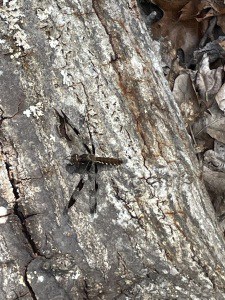
Aerial Acrobat and Mosquito Terminator
- Scientific Name: Odonata
- Description: Dragonflies are large, slender insects with two pairs of transparent wings and large compound eyes. They come in various colors, including blue, green, and brown.
- Benefits: Dragonflies are skilled hunters of flying insects, particularly mosquitoes, making them effective at controlling pest populations.
- How to Attract*: Create a water feature in your garden, such as a pond or small stream, as dragonflies lay their eggs in aquatic habitats.
- Fun Fact: Dragonflies are incredibly agile flyers and can reach speeds of up to 60 miles per hour.
- If you are as enamored with dragonflies as I am read my article on Dragonflies: A Comprehensive Etymology
4: The Bee (Anthophila)

Pollinators Extraordinaire
- Scientific Name: Anthophila
- Description: Bees come in various species and sizes, with colors ranging from black to brown and even metallic hues. They are easily recognizable by their distinctive, fuzzy bodies and wings.
- Benefits: Bees are essential pollinators, aiding in the reproduction of numerous plants, including fruits, vegetables, and flowers.
- How to Attract*: Plant a diverse array of flowering plants that bloom at different times to provide a continuous food source for bees. Avoid using neonicotinoid pesticides because they are highly toxic to bees even though they are less toxic to mammals.
- Fun Fact: Bees can recognize human faces, which is a remarkable cognitive feat for such tiny creatures.
5: The Lacewing (Chrysopidae)

Delicate Predators in Green Cloaks
- Scientific Name: Chrysopidae
- Description: Lacewings have delicate, greenish bodies with intricate, lace-like wings. They are often called “green lacewings” due to their color.
- Benefits: Lacewing larvae are ferocious predators, consuming aphids, mites, and other small pests. Adult lacewings also feed on nectar and pollen.
- How to Attract*: Provide nectar sources like dill, fennel, and marigolds to attract adult lacewings.
- Fun Facts: Lacewing larvae are often referred to as “aphid lions” because of their voracious appetite for aphids. Lacewing larvae resemble tiny alligators and are ferocious hunters.
6: The Assassin Bug (Reduviidae)

Stealthy Predators of the Insect World
- Scientific Name: Reduviidae
- Description: Assassin bugs are elongated insects with a needle-like proboscis they use to feed on prey. They can vary in color, often blending with their surroundings.
- Benefits: Assassin bugs are skilled hunters, preying on a wide range of insects, including caterpillars, aphids, and other small pests.
- How to Attract*: Maintain a diverse garden with various plant species to encourage a range of insect prey.
- Fun Fact: Assassin bugs inject enzymes into their prey to liquefy their insides, which they then suck out for a meal.
7: The Hoverfly (Syrphidae)

Masters of Mimicry and Pollination
- Scientific Name: Syrphidae
- Description: Hoverflies resemble bees or wasps, with yellow and black stripes on their bodies. They are often mistaken for bees due to their appearance.
- Benefits: Hoverflies are both pollinators and predators, feeding on nectar and pollen while also consuming aphids and other soft-bodied insects.
- How to Attract*: Plant bright, fragrant flowers like lavender and sunflowers to draw hoverflies to your garden.
- Fun Facts: Hoverflies are excellent mimics, imitating the appearance of stinging insects for protection. Hoverflies are often mistaken for bees due to their striking resemblance.
8: The Minute Pirate Bug (Orius)
Tiny Pirates, Mighty Predators
- Scientific Name: Orius
- Description: Minute pirate bugs are tiny, black, or dark-colored insects with a distinctive triangular shape. They are incredibly small but effective predators.
- Benefits: These small predators feed on tiny pests such as spider mites, thrips, and aphids, making them valuable for pest control.
- How to Attract: Encourage minute pirate bugs by planting diverse plant species, which can provide a habitat for their prey.
- Fun Fact: Despite their diminutive size, minute pirate bugs are voracious hunters and have a painful bite when disturbed.
9: The Parasitoid Wasp (Hymenoptera)

Nature’s Grim Parasitic Assassin
- Scientific Name: Hymenoptera
- Description: Parasitoid wasps come in various species, but they are typically small and often have long, slender bodies with wings. They can be challenging to distinguish from other wasps.
- Benefits: These wasps lay their eggs inside other insects, such as caterpillars, effectively parasitizing and ultimately killing the host insect.
- How to Attract: Plant nectar-rich flowers to attract adult parasitoid wasps, which need nectar for sustenance.
- Fun Fact: Parasitoid wasps are nature’s grim assassins, with a highly specialized parasitic lifestyle. Parasitoid wasps are like tiny, real-life xenomorphs, but they’re on our side!
10: The Soldier Beetle (Cantharidae)

Garden’s Beetle in Shining Armor
- Scientific Name: Cantharidae
- Description: Soldier beetles are elongated insects with soft bodies. They are often brightly colored, with black and orange or red patterns.
- Benefits: Soldier beetles are beneficial for gardens as they feed on soft-bodied pests like aphids, caterpillar eggs, and other small insects.
- How to Attract: Maintain a garden with a variety of flowering plants to provide food for both adult and larval soldier beetles.
- Fun Fact: These beetles are called “soldier” beetles due to their appearance, which resembles a soldier’s uniform.
11: The Aphid Midge (Aphidoletes aphidimyza)
The Tiny Hunter of Aphid Pests
- Scientific Name: Aphidoletes aphidimyza
- Description: Aphid midges are tiny, delicate insects with long legs. They are often black or dark brown in color.
- Benefits: These midges target aphids, especially in their larval stage, helping to control aphid populations.
- How to Attract*: Promote diverse plant species in your garden, as aphids are attracted to a variety of plants.
- Fun Fact: Aphid midges lay their eggs near aphid colonies, allowing their larvae to feast upon the unsuspecting pests.
12: The Brown Marmorated Stink Bug (Halyomorpha halys)
An Unwanted Guest Turned Ally
- Scientific Name: Halyomorpha halys
- Description: Brown marmorated stink bugs are shield-shaped insects with a mottled brown appearance. They are invasive pests but can be beneficial under certain circumstances.
- Benefits: While primarily considered a pest, brown marmorated stink bugs can feed on caterpillars and other insects, providing some level of natural control.
- How to Attract*: Promote native plant species that can attract a diverse range of insects, including stink bugs.
- Fun Fact: Despite their name, these stink bugs are gradually becoming beneficial for gardeners by consuming other pests. They are great in the garden but not so much in the house. Have you ever felt like a Ghost Buster sucking stink bugs up with a stick vacuum or is it just me?
13: The Damsel Bug (Nabidae)
Elegant Predators of Garden Pests
- Scientific Name: Nabidae
- Description: Damsel bugs are slender, elongated insects with distinctive long legs. They can vary in color from brown to green.
- Benefits: Damsel bugs feed on aphids, caterpillars, and other small insects, making them valuable for pest control.
- How to Attract*: Provide a mix of plants for them to hide in and hunt, as well as diverse prey insects to sustain their populations.
- Fun Fact: Damsel bugs are known for their graceful appearance and elegant hunting style.
14: The Braconid Wasp (Braconidae)
Tiny Warriors Against Garden Pests
- Scientific Name: Braconidae
- Description: Braconid wasps are small, often parasitic wasps with slender bodies and long antennae. They come in various species.
- Benefits: These wasps parasitize caterpillars and other insects, controlling their populations effectively.
- How to Attract*: Plant nectar-rich flowers to attract adult braconid wasps, which need nectar as a food source.
- Fun Fact: Braconid wasps are like miniature assassins, targeting specific host insects with deadly precision.
15: The Rest of the Beneficial Bug Crew
An Ensemble of Garden Guardians
- Lepidoptera: A broad category including butterflies and moths, some of which are beneficial pollinators.
- Geocoris: A type of ground bug that feeds on aphids, mites, and other small insects.
- Tachinid Fly: Parasitic flies that lay eggs on caterpillars, ultimately killing them.
- Beetles: Various beetle species, such as ground beetles, lady beetles, and rove beetles, contribute to pest control.
- Robber Flies: Predatory flies that capture and consume other insects in flight.
- Mealy Bug Destroyer: A small lady beetle species specialized in mealybug control.
Each of these beneficial bugs plays a unique role in maintaining a balanced garden ecosystem. By welcoming them into your garden, you create a biodiverse and harmonious environment where pests are kept in check, and your plants can thrive naturally. Check out the USDA Resources to Help Pollinators for further information to enhance your habitat with these beneficial insects!
Beneficial Bugs: Unveiling the Garden’s Natural Defenders
Now that we’ve met some of the standout garden protectors, let’s delve deeper into the world of beneficial bugs and address common questions about creating a thriving, pest-resistant garden ecosystem.
What Bugs Are Good for the Garden?
A variety of bugs can be beneficial for your garden. In addition to the ones we’ve already introduced, consider inviting spiders, ground beetles, and ladybeetles (different from ladybugs) into your garden. They all contribute to pest control and a healthy ecosystem.
What Natural Predator is Beneficial for a Garden?
Natural predators are essential for maintaining garden health. Natural predators include birds like bluebirds and sparrows, as well as amphibians like frogs and toads. They prey on garden pests, helping to keep populations in check.
Are Rollie Pollies (Pill Bugs) Good for Your Garden?
Rollie pollies, also known as pill bugs or sowbugs, primarily feed on decaying organic matter, making them more detritivores than pests. While they won’t harm your plants, they won’t actively contribute to pest control either.
How Can Cinnamon Help a Garden?
Cinnamon can help a garden because it acts on pests mainly as a repellent, although in higher doses it has a biocidal effect and prevents egg-laying. While most bugs will avoid cinnamon it also acts as a deterrent for many larger furry pests like those closely related to the rodent family.
What are Beneficial Insects in the Landscape?

Beneficial insects in the landscape extend beyond the garden. Beneficial insects in the landscape include bees and butterflies, which are crucial pollinators for both ornamental and edible plants. By attracting these insects, you can enhance your garden’s overall health and productivity.
Should I Add Bugs to My Garden?
Introducing specific beneficial insects to your garden can be a proactive approach to pest control. However, it’s essential to research and carefully choose insects that are compatible with your region and garden ecosystem. Be mindful of the potential impact on existing wildlife.
Are Worms Good for Gardens?
Absolutely! Earthworms are vital for soil health. They aerate the soil, improve drainage, and create nutrient-rich castings. Encourage earthworm populations by adding organic matter like compost to your garden.
Are Spiders Good for the Garden?

Spiders are excellent garden allies because they feed on a wide range of garden pests, including flies, aphids, and caterpillars. Their presence can help maintain a balanced ecosystem and reduce pest damage.
Are Wasps Good for the Garden?
Wasps, particularly parasitoid wasps, are beneficial for controlling certain insect pests. They lay eggs inside pests like caterpillars, ultimately killing them. However, some wasp species can be aggressive, so it’s essential to create a garden environment that attracts beneficial wasps while minimizing risks.
By understanding the roles of various insects and creatures in your garden, you can make informed decisions about how to create a harmonious and thriving ecosystem. Embrace the diversity of nature and watch as your garden flourishes with the help of these natural defenders.
Embrace Nature’s Tiny Allies “Beneficial Bugs” for a Flourishing Garden
In the intricate tapestry of your garden, these beneficial insects are the unsung heroes. With their voracious appetites and predatory prowess, they stand as guardians, ensuring a healthy and balanced ecosystem.
From the charming ladybug to the stealthy assassin bug, and the industrious bee to the graceful hoverfly, these small creatures play pivotal roles in keeping pests at bay and promoting pollination.
So, as you tend to your plants and nurture your garden, remember to nurture your partnership with these tiny allies.
By inviting these beneficial bugs into your garden, you’re not only cultivating a lush and thriving oasis but also becoming a steward of a delicate ecosystem.
So, go forth with your newfound knowledge, and may your garden flourish with the help of these tiny, but mighty, garden heroes!
May your garden forever buzz with life and vitality!
For an in-depth look at garden pests and organic solutions to prevent them read Organic Pest Control: 10 Common Garden Pests and DIY Solutions and Companion Plants for Beginners: Everything You Need to Know for a Successful Garden!
Thank you for meeting me AT FORESTS EDGE. Where I am learning to grow food for my family and sharing my insights with you. I would love for you to join me on this journey, and subscribe to my newsletter where I share encouragement throughout the year as we GROW HOPE!
Until we meet again,
Raeanna

Raeanna
Raeanna loves her home AT FORESTS EDGE. Cultivating life with a big family in America. She is a Watercolor Artist, Writer, Gardener & a Certified Herbalist.